Hexton makes mark in Lincolnshire

Wheat yields in a difficult season have quietly impressed Tom Markillie on his farm near Long Sutton in south Lincolnshire, despite the earliest start and finish to wheat harvest in the farm’s history.
At just over 10t/ha, they are still down on his usual average of nearer 11t/ha, but given the season, they have held up surprisingly well, he says.
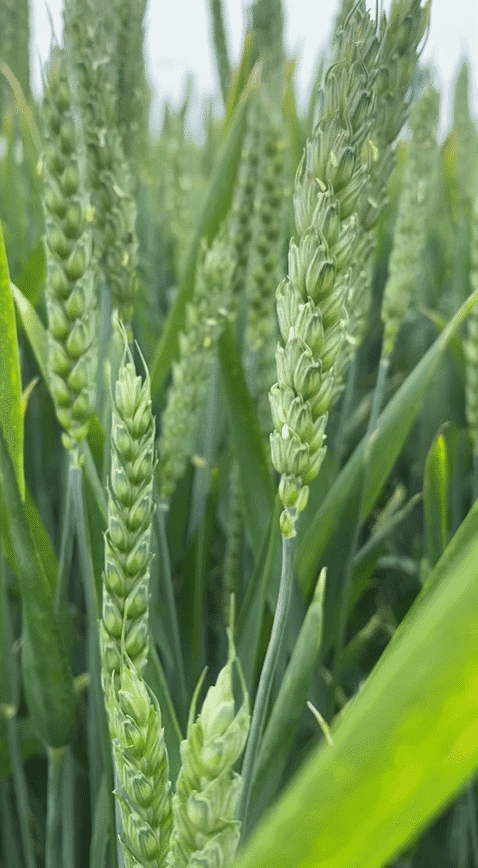
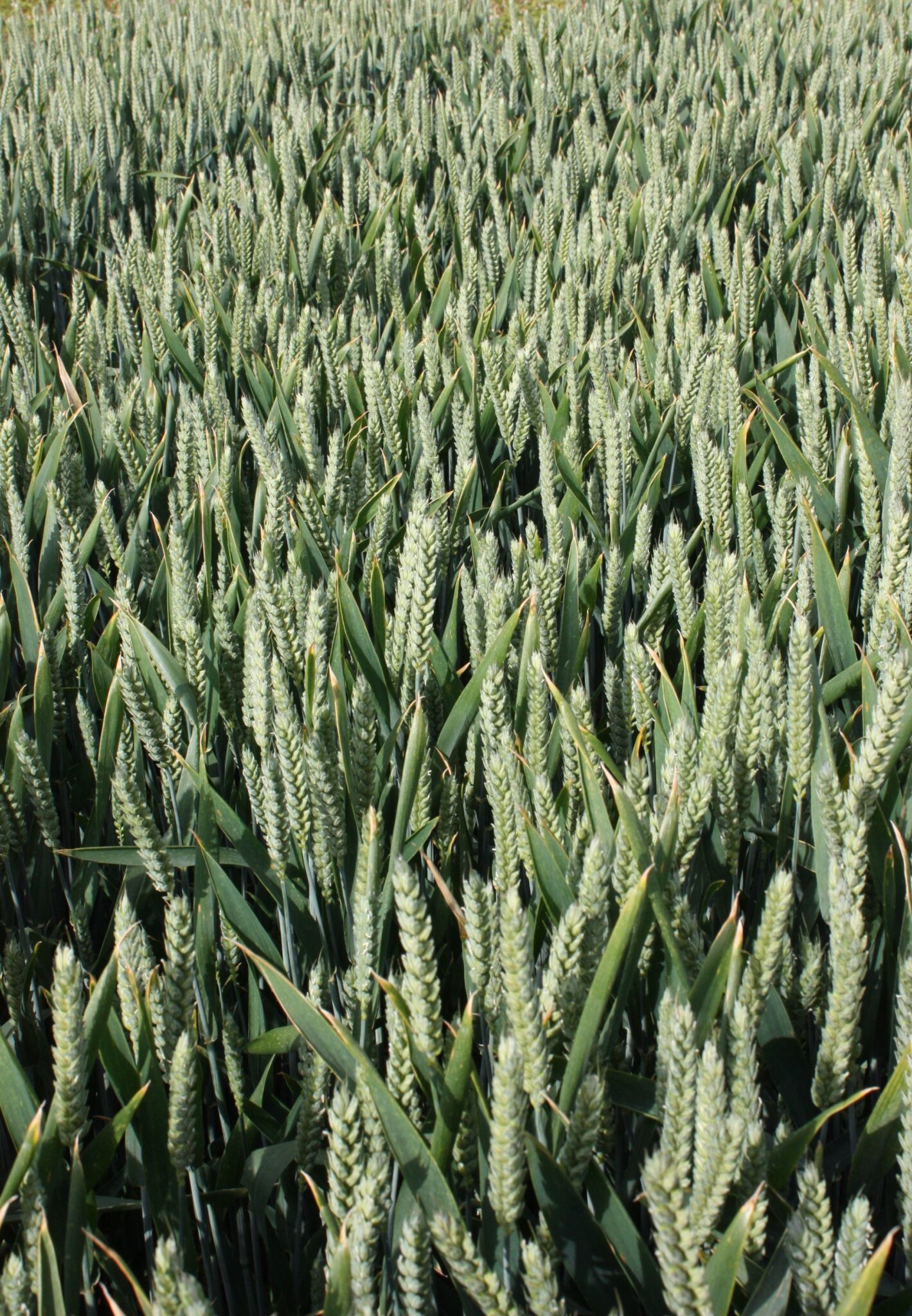
RGT Hexton has been the standout variety on the farm. Having grown 50ha in total on a seed contract for ADM, most of the fields have averaged around 10.4-10.5t/ha, Tom says, including one later drilled field after sugar beet.
“The best field, grown after mustard and drilled in early October, did 11.2t/ha, which is pleasing. It looked good through the season, stood well, had a decent plant count and good, bold ears,” he reports.

Quality was good with bushel weights of around 80kg/hl. “The grains were a little on the small side, so screenings could be higher, but it’s been accepted for seed.”
Other varieties on the farm, Palladium also grown for seed, and Dawsum, in contrast, struggled to average 10t/ha, he says.
Both those varieties had more yellow rust during the season than Hexton, which led Tom to apply a cheaper T2 spray of prothioconazole and tebuconazole.
“We did backtrack a little and apply an early T3 containing an SDHI fungicide with the ears just emerging because of some concern about the weather breaking in the first week of June and getting a flare up of disease.”
The farm was fortunate to receive around 40-50mm around that time, he says. “I think that probably helped save our yields – it came at almost exactly the right time for grain fill. I don’t know how much got down to the roots, probably not much, but it was obviously enough to let the crop finish a bit better.
“I would certainly grow Hexton again – it’s a good variety,” he concludes.
Hexton’s light land consistency shines in difficult season

In a difficult season where multiple heatwaves and drought have impacted wheat yields across East Anglia, Frank Stennett has been pleased with the performance of RGT Hexton on light soil types.
Farming across multiple sites in Norfolk and Suffolk, Frank chose Hexton for his farm at Felthorpe in a large part because of its yellow rust resistance. Using contractors for spraying at the farm, which is located 40 miles away from his main base in Ingham on the Norfolk / Suffolk border, he’s conscious that better disease resistance provides more protection and flexibility with timing.
That played out with yellow rust being the main disease risk rather than septoria in a very dry spring. A full fungicide programme was applied in part to protect the variety from varietal resistance breakdowns seen in other varieties in previous years, with Hexton remaining clean through the season.
Drilled on 50ha of light loamy soil following sugar beet, Frank was fortunate to be able to access irrigation, with two passes of 25mm of irrigation applied after flag leaf emergence. Even so, extreme heat in late May and then in June, rapidly senesced fields in late June and early July, leading to early harvest dates.
“One week it was green, and there were three days of 30C to 33C heat, and the crops were white, not golden ripe, just white, dead,” he says. “The first heat wave shut the plants down and the second finished it off.”
Given the circumstances, Frank was happy with the performance of Hexton, not least its yield consistency on the lighter soil type. “It yielded just under 8t/ha as an average across the field, and it was noticeably better than other varieties on the lighter land.”
With some other varieties he found that yields fell away badly in fields where there was a mix of heavier and lighter soils. “In some fields, there were patches on lighter soils where other varieties did not yield anything much at all, whereas Hexton was more consistent across the field.”
Irrigation obviously helped protect some yield, he notes, but more through keeping the plant cooler during the heat waves than perhaps the additional moisture. “When it gets to that temperature it is detrimental to the wheat plant, so it stops filling grain sites,” he says.
But despite the heat causing seemingly early senescence, specific weights held up extremely well with some over 80kg/hl, he says. “I can only think that when the first heat wave came, some grains were aborted, with the energy put into filling the remaining ones.”
The result has left him likely to grow a similar area of Hexton again on lighter soils next season. “I’d like to see what it can do from earlier drilling.”
With two years of drought and hot summer temperatures, he’s also thinking about how he can choose varieties that are suitable for those conditions.
He’s also likely to grow RGT Highgrove, which trials have suggested gives good performance on lighter, drought prone soils. “It doesn’t have orange wheat blossom midge resistance, which Hexton does, but it’s important not to grow the same variety everywhere in order to spread risk,” he says.
Two more from the RAGT camp are of interest. “I’m watching the candidate variety RGT Griffin, with its high yellow rust and septoria resistance, plus orange wheat blossom midge, and I’m also considering RGT Guardsman. I liked RGT Grouse because of its BYDV resistance, so considering Guardsman for the same reason,” he says.