Bayer signs licensing agreement with RAGT and begins broad hybrid wheat commercialization by early 2030s
- Licensing agreement enables Bayer to scale franchise in Europe and North America simultaneously
- Bayer will combine elite germplasm, cutting-edge precision breeding engine and broad Cereals expertise
- Sales expected to reach 1 billion euros annually by mid 2040s, highlighting hybrid wheat’s long-term blockbuster potential
- Hybrid wheat growers set to benefit from productivity increase of 10 percent at launch and additional gains going forward
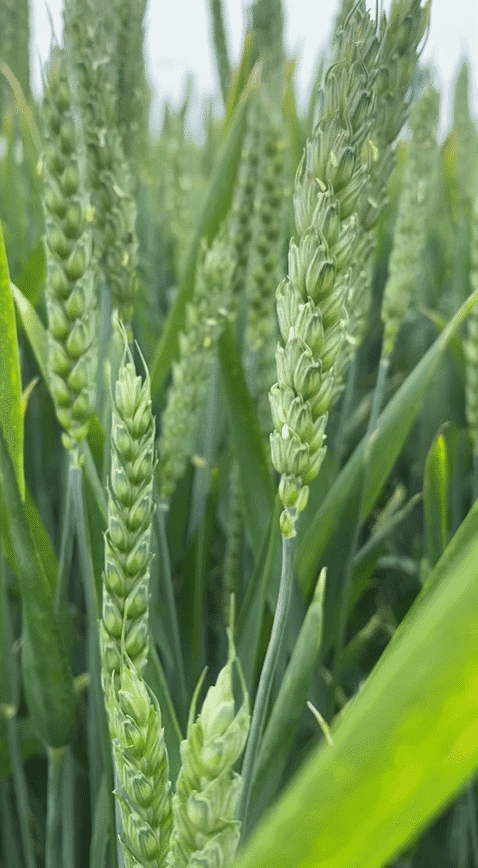
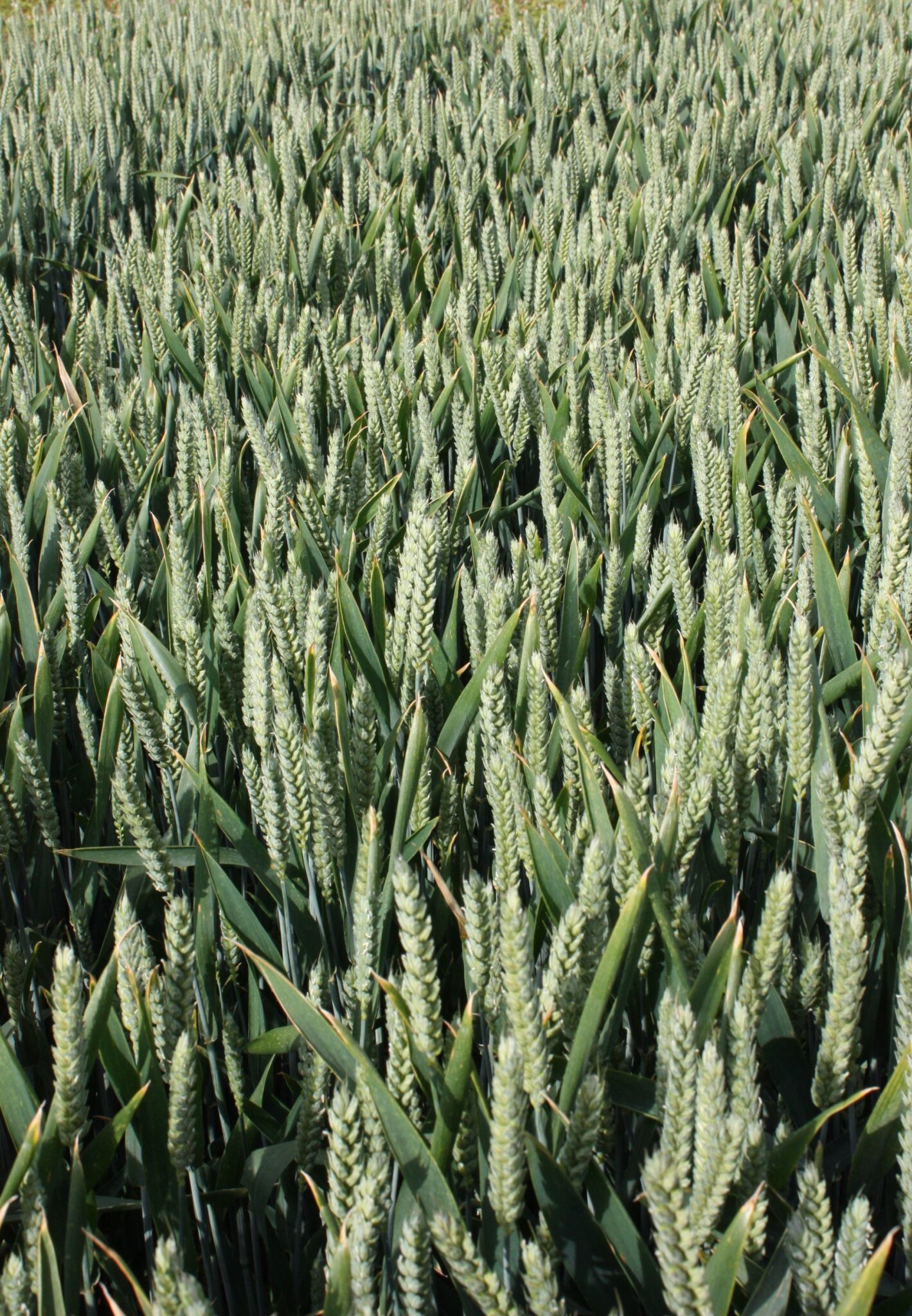
Monheim, July 15, 2026 – Bayer enters an exclusive licensing agreement with RAGT, a leading company in the European wheat seed market, advancing its plans to sell hybrid wheat seeds in Europe and North America simultaneously by the early 2030s. Hybrid wheat represents large, untapped opportunity in the world’s most widely grown food crops and Bayer targets annual revenues of up to 1 billion euros after just over a decade post launch. The move is part of Bayer’s growth ambitions beyond its current blockbuster launches by expanding its core portfolio to hybrid wheat as a key franchise.
The new agreement with RAGT materially strengthens Bayer’s position in Europe as it involves the broad licensing of elite wheat germplasm tailored for European environments. This gives Bayer the ideal foundation to further advance and deploy its powerful breeding engine based on its longstanding hybrid wheat R&D efforts, to develop innovations that provide greater productivity and sustainability to farmers at a time when many face challenging weather and growing conditions.
“Wheat is one of the most important staple food crops in the world. But wheat production has stagnated and is coming under pressure from prolonged drought and heatwaves, such as the one we just experienced in Europe at the end of June 2026. At the same time, sturdier hybrid varieties of wheat are still not widely available,” says Peter Mueller, Cereals, Cotton, Canola/OSR & Biofuels Lead at Bayer’s Crop Science division. “Our deal with RAGT is about to change that. Combining RAGT’s top performing germplasm and know-how with our breeding capabilities will significantly boost and expand our pipeline of hybrid wheat varieties, allowing us to compete in a rapidly evolving market. With the North American program in full gear, we will deliver higher value to growers on both sides of the Atlantic.”
Sebastien Chatre, Head of R&D at RAGT adds, “We’re very excited about the potential of this broad licensing agreement with Bayer, as it represents a significant step in RAGT’s commitment to innovation in wheat breeding. By sharing our expertise, we can accelerate the development of hybrid wheat solutions that will benefit the entire market and meet the evolving needs of farmers and the seed industry.”
For the European market, Bayer will focus its efforts on Winter Wheat. In North America, the company will introduce both Spring Wheat and Winter wheat, building on its successful WestBred wheat franchise. In both Europe and the US, the genetic material Bayer breeds with has the potential to fit in more than 80 percent of the wheat hectares, spanning across countries in Europe, and across classes in the US. Bayer’s leading position in the crop protection space for wheat and the respective customer relations, combined with its access to elite germplasm for Europe and North America, precision breeding capabilities, seed production know-how, as well as digital and agronomic expertise will help the company build a competitive, holistic wheat system for farmers.
Hybrid wheat seeds can increase wheat production without additional land or resource use, adding 10 percent compared to conventional open-pollinated wheat, right from the early stages of introduction of the new technology, with continuous additional yield gains going forward. Additional benefits for farmers include more reliability and robustness because key attributes of hybridization include an enhanced root system and faster growth to establish a strong crop against external factors, leading to potential better disease, weed and pest tolerance, and greater resilience to drought and heat. With hybridization of wheat still largely untapped, investing in hybrid wheat presents a unique opportunity for growth and enhanced food security. As the world’s number one food crop, wheat covers over 220 million hectares globally and feeds around 30 percent of the population, making it an essential source of the world’s calories and a staple crop for fighting hunger. With climates in wheat-growing regions becoming hotter and drier, demand is continuing to increase further for resilient hybrid seeds that offer higher and more stable yields.
THE RAGT–BAYER PARTNERSHIP SUPPORTING THE HYBRID WHEAT PROJECT IS TAKING THE NEXT STEP FORWARD.
The partnership between RAGT and Bayer on hybrid wheat is entering a new phase. Following several years of close collaboration and sustained investment in research, we have updated the terms of our agreement to accelerate the development of the next generation of hybrid wheat.
Under the new agreement, Bayer will receive licensed access to RAGT’s wheat genetics and to the scientific expertise and research developed by RAGT’s teams.
“This agreement recognises the strength of our partnership, the scientific expertise of our teams, and the value of the wheat genetics that RAGT has developed over decades,” said Sébastien Chatre, Research Director at RAGT.
“Our ambition remains unchanged: to help develop new generations of hybrid wheat capable of meeting the agronomic, economic, and environmental challenges facing farmers”, he added.
“We are beyond excited to have signed that agreement, that grants us access to RAGT’s excellent genetic material. There is something even more special about achieving this with RAGT, with whom we share a common vision on Hybrid Wheat and a fruitful partnership beyond cereals”, Constance Tuffet, Cereals strategy lead.
This renewed partnership reflects a shared long-term commitment to strengthening the resilience and performance of grain production systems.
While the hybrid wheat project is evolving in its organisation and scope, its objective remains the same: to translate our research outcomes into innovative hybrid wheat varieties that meet the evolving needs of farmers and the seed industry. This marks an important milestone and reinforces the strategic direction RAGT has pursued in hybrid wheat research.