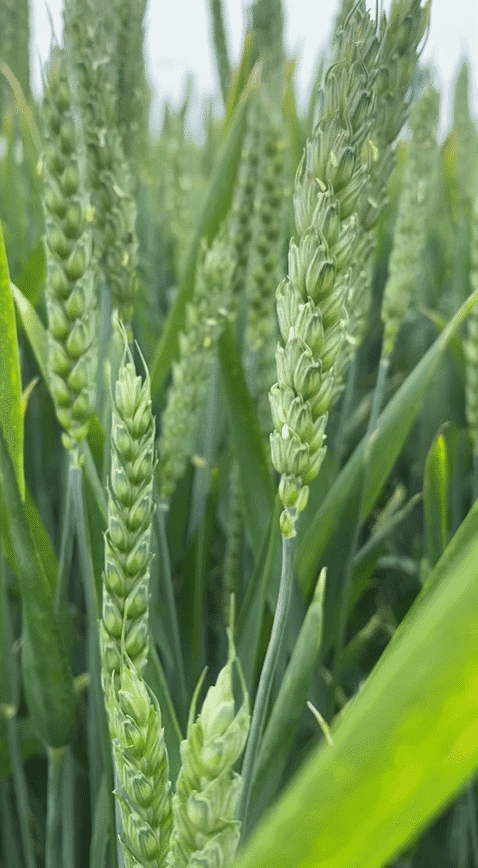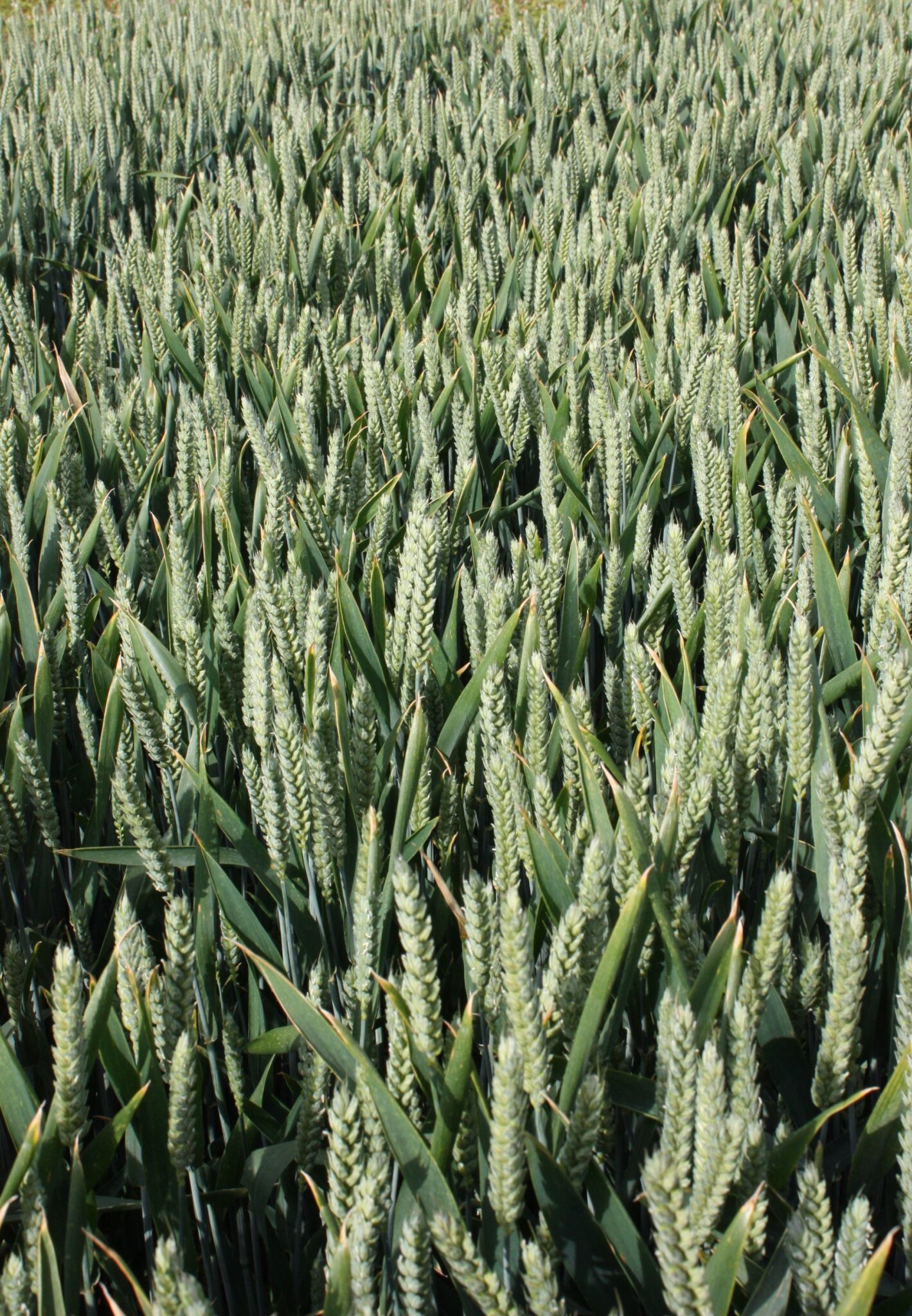
Soft wheat variety RGT Hexton debuted on the AHDB Recommended List (RL) in 2024 as the highest yielding variety in the North, a claim it maintained in the most recent iteration of the RL. But will this performance in trials translate to real world yield?
This year will be the first year of growing Hexton for many, but some seed growers already took the variety through to yield last year. Garth Kerr produces seed for Harleys at Barrelwell Farm near Brechin and grew Hexton for the first time last season.
Garth’s Hexton yielded 4.8 t/ac last year, well above the threshold of 4 t/ac that he aims for on his lighter soils.
“Before Hexton, we grew Skyscraper, and before that, it was Barrell,” he says. “Both of them have done well for us, but last year, Hexton was a cut above. Whether it was just the year or not, we will find out this harvest because we are growing it again.”
Further South, near Anstruther, Andrew Stevenson, based at Bonerbo Farm, contracts 1700ac of cereals. He’s growing Hexton for the first time this year. It is replacing Spotlight, which has performed well for Andrew for several years, but he felt it has become outclassed by newer varieties and is difficult to manage for yellow rust.
In the past few years, Fife has become something of a national hotspot for yellow rust. It is where the breakdown to Yr15 was first seen in a major way, and this year has been similarly challenging. Although Andrew says the disease is manageable with a well timed spray programme.
“With the type of land we are on, we like to sow all our wheat by the middle of September,” says Andrew. “So you end up getting quite a lot of juvenile yellow rust in crops coming out of the winter.
“Ultimately, that’s why we moved on from Spotlight, because it was dirty coming out of the winter. Hexton came through the winter well, and it was fairly clean compared to some of the other varieties.
“We put a decent dose of tebuconazole at T0 to clear up any yellow rust that was there and to keep it at bay. At T1 we were on watch to see if we needed to include a Comet (pyraclastrobin), but thankfully in the Hexton, that wasn’t the case.”
Coming into harvest, Andrew says his Hexton looks well. “There are plenty of people talking about it this year, so it’ll be good to get the combine into it to see how it has yielded,” he adds.
Similarly, Andrew Creasy, arable technical manager at RAGT, has high hopes for Hexton on farm this harvest, with growers in Scotland reporting that it looks excellent in the field.
“It suits all situations in Scotland; Hexton seems to love the Scottish climate,” notes Andrew. “It likes early drilling, which is what most Scottish farmers prefer to do. It is also easier than other popular varieties to manage for disease.”
Hexton has diverse yellow rust resistance, without the Yr15 gene, which means it is not currently affected as other varieties are, explains Andrew.
“As the resistance kicks in, we have had good reports from growers and agronomists about managing the disease on the variety.
“Another added benefit is that Hexton has orange wheat blossom midge (OWBM) resistance. It’s not the biggest pest threat in Scotland, but if the conditions are right ahead of flowering, then it can be a big yield robber, and genetic protection is the most reliable and sustainable,” says Andrew.